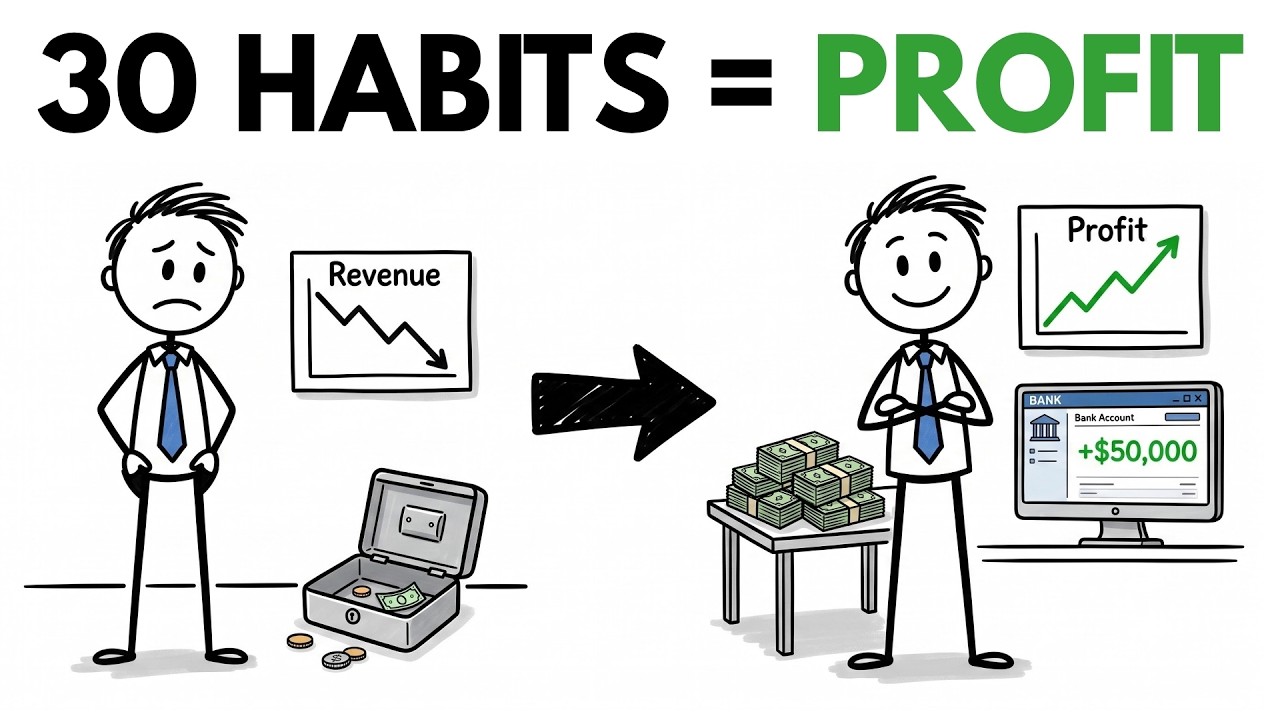
Ask most small business owners how many customers they served last week and they can answer right away. Ask how much cash they expect to have in two months and the answer gets a lot fuzzier. That gap is where trouble starts. Bills pile up, a slow month catches you off guard, and a healthy business suddenly feels like it is running on fumes.
The fix is a simple monthly financial review, done at the same time every month. It shows you where your money is going and what to do next, and it takes far less time than most people expect. If you want more practical guides on business finance and setup, check out this site and keep it bookmarked for later. Here is how to build the habit without turning it into a second job.
Why Monthly Beats Yearly
Plenty of owners only look closely at their numbers when tax season arrives. By then the year is over and nothing can be changed. A monthly review lets you spot patterns while you can still act on them.
If your supplier costs went up 8 percent in March, you can adjust your prices in April instead of discovering the damage in December. Small corrections made early are almost always cheaper than big repairs made late.
What to Look at Each Month
You do not need an accounting degree. Focus on four things.
Revenue. How much money came in, and from which products or services? Notice what is growing and what has gone flat.
Expenses. List every cost and sort it into fixed expenses (rent, insurance, software subscriptions) and variable ones (materials, advertising, shipping). Fixed costs are easy to forget because they quietly repeat every month.
Profit margin. This is what is left after costs. A business can have rising sales and shrinking profit, usually because costs grew faster than prices.
Cash position. Compare the money in your account, the money customers owe you, and the money you owe others. Profit on paper does not pay the rent. Cash does.
Set Up a Simple System
Pick a date and protect it. The first Monday of the month works well for many people. Block out 90 minutes, close your email, and treat it like a meeting with your most important client.
Use accounting software or a basic spreadsheet. The tool matters far less than consistency. During your session, reconcile your bank transactions, categorize your expenses, and compare the month against the previous one.
Then write down three short notes: what went well, what surprised you, and one thing you will change next month. Over time, those notes become a useful record that shows whether your decisions are actually working.
Common Mistakes to Avoid
Mixing personal and business spending. It makes your numbers unreliable and your tax filing painful. A dedicated business account fixes this in a day.
Ignoring small subscriptions. Ten forgotten tools at $20 each add up to $2,400 a year. Scan your statements for anything you no longer use.
Invoicing late. Money you have earned but not billed is money you cannot spend. Send invoices the day the work is done, not at the end of the week.
Only checking the bank balance. A healthy balance today says nothing about the bills arriving next week. Always look forward as well as backward.
Turning Numbers Into Decisions
Numbers only matter if they change what you do. Imagine a small online store that notices its shipping costs have grown from 9 percent of revenue to 14 percent over four months. Without a monthly review, that trend might go unnoticed for a year. With one, the owner can negotiate a better carrier rate, set a free-shipping minimum, or adjust prices slightly. Each of those choices protects profit before it disappears.
You can also use your review to plan ahead. If you know a slow season is coming, you can build a cash cushion in the months before it. If one product is consistently your best seller, you can invest more in it with confidence instead of guessing.
Start Small
Your first review might feel awkward, and some numbers may be missing. That is fine. The goal is to show up every month and make the picture a little clearer each time.
Within three or four months, you will likely notice something valuable: money stops being a source of vague worry and becomes something you understand. That clarity is worth far more than the 90 minutes it costs you.