
Working for hours doesn’t always mean learning more. Many students confuse long study sessions with effective ones, but studying smarter is about strategy, not struggle.
Start with active engagement. Reading notes over and over might feel productive, but your brain retains very little that way. Instead, question the material. Ask yourself, “Can I explain this in my own words?” or “What’s the main idea here?” When you force your brain to retrieve information, it learns more efficiently.
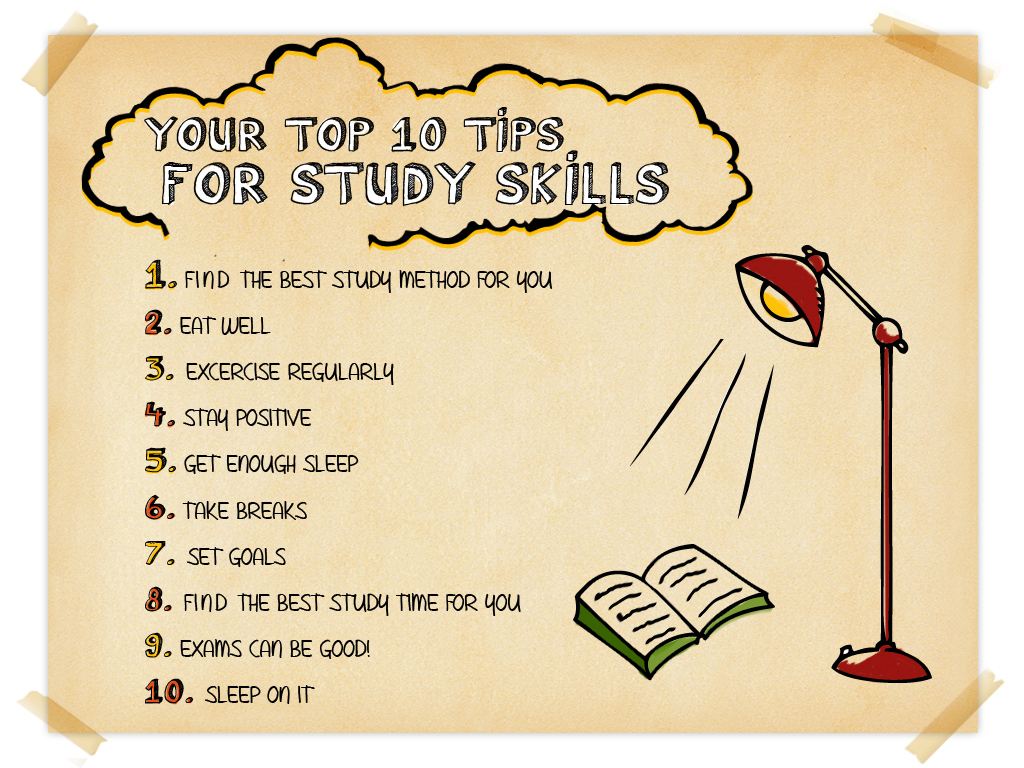
Organize study time around focus blocks. Research shows that after about forty-five minutes of intense concentration, performance dips. Shorter bursts with small breaks maintain mental sharpness.
Prioritize what matters. Not every topic deserves equal time. Skim the syllabus, note which sections weigh more in exams, and invest effort accordingly. Studying smarter also means letting go of unnecessary perfectionism—spending two hours formatting notes isn’t the same as understanding the concept.
Use different resources. A textbook gives structure, but videos, podcasts, or discussion forums add clarity. Hearing information in multiple ways strengthens comprehension.
Sleep is your secret weapon. Pulling an all-nighter tricks you into thinking you’re productive, but it sabotages memory consolidation. A rested brain learns faster and remembers longer.
Don’t forget recall testing. After finishing a topic, close your notes and quiz yourself. Write what you remember, even roughly. Then check what you missed. That process is far more powerful than rereading.
Finally, maintain curiosity. Smart studying isn’t just memorization—it’s connecting ideas, asking “why,” and linking knowledge across subjects. When learning feels meaningful, it sticks effortlessly.
Final Thought:
Study time is precious. Use it wisely. Understand, recall, rest, and stay curious. That’s how you study smarter—not harder—and still perform better.
