
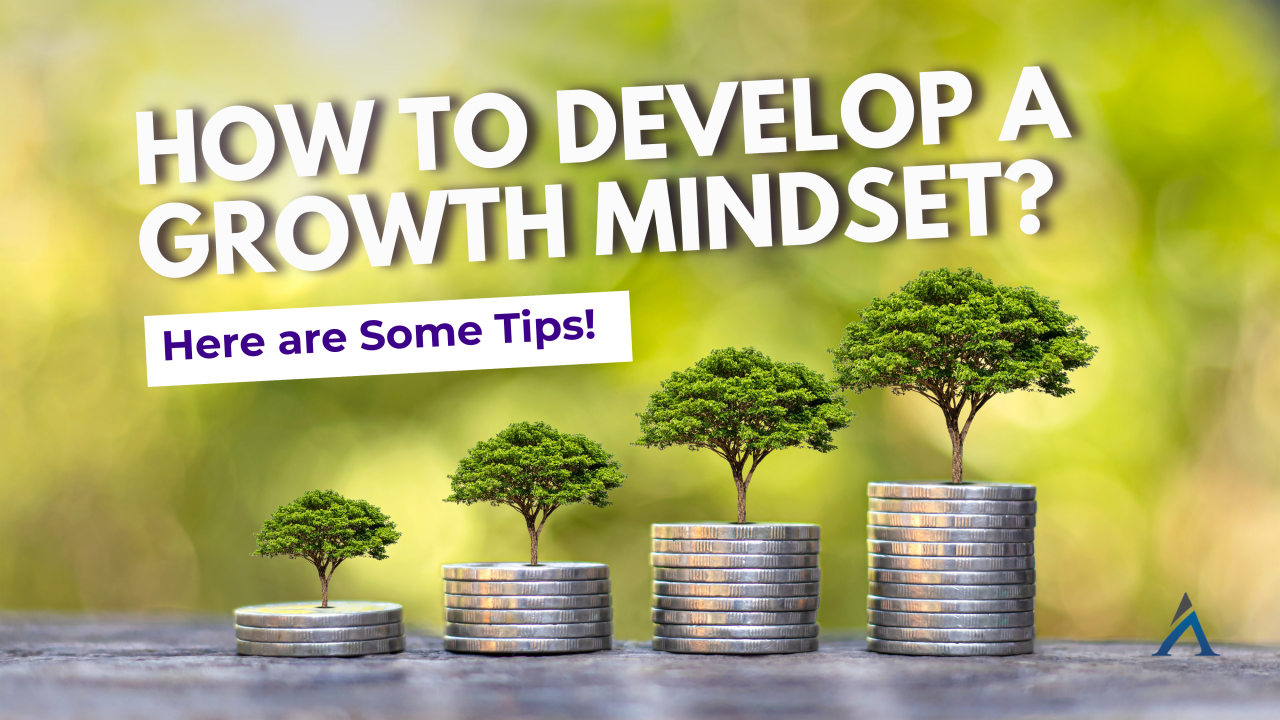
You know, there’s something powerful about people who just keep going. No matter how many times they fall, they get up, brush off the dust, and try again — often better than before. What makes them different isn’t luck or talent. It’s something deeper, something called a growth mindset.
A term made popular by psychologist Carol Dweck, a growth mindset is basically the belief that your abilities can be developed — through hard work, learning, and perseverance. The opposite, a fixed mindset, is when people believe their intelligence or talents are static. You either “have it” or you don’t. And that belief alone can quietly kill potential before it even gets started.
But here’s the truth: no one is born with a growth mindset. It’s something we build. Brick by brick. Choice by choice.
Let’s dig into how you can develop it — and hold onto it — for lifelong success.
1. Start with Self-Awareness: Notice Your Inner Voice
We all have that inner voice. The one that whispers, “You’re not good enough,” when things go wrong. Or “You’re just not cut out for this.” It’s sneaky. But awareness is your first step.
When you notice yourself thinking like that, pause for a moment. Catch the pattern. Ask, “Is this really true? Or is this just fear talking?”
Try reframing it: instead of “I can’t do this,” say “I can’t do this yet.” That small word — yet — changes everything. It reminds you that growth takes time.
2. Embrace Failure as a Teacher
Failure sucks. No one likes it. But if you avoid failure, you avoid growth.
People with a growth mindset don’t see failure as proof they’re not smart or capable — they see it as feedback. A lesson. Sometimes even a redirection.
Think of it like this: every time you mess up, life’s giving you a free course on how not to do something. Painful, yes. But useful.
If you can start viewing failure as a necessary step — not a dead end — you’ll open doors most people don’t even knock on.
3. Replace “Proving” with “Improving”
We live in a world obsessed with proving. Proving you’re talented. Proving you’re successful. Proving you’re better than someone else.
But the truth? Growth doesn’t come from proving anything. It comes from improving.
When your goal shifts from looking good to getting better, you’ll naturally start taking more risks, learning more deeply, and pushing your limits.
Next time you feel that urge to compare yourself, stop and ask — “Am I focusing on progress, or just proof?”
4. Surround Yourself with Growth-Minded People
It’s hard to grow in an environment that doesn’t support it.
If you’re constantly around people who give up easily, who say things like “I’m just not the creative type,” that mindset rubs off on you. Energy is contagious.
Find people who talk about ideas, not gossip. People who encourage you to stretch, who challenge your excuses.
Even online — follow creators, leaders, or mentors who promote learning and resilience. Because your environment either feeds your growth mindset or starves it.
5. Celebrate Effort, Not Just Results
One of the most common traps people fall into is valuing outcomes over effort. We celebrate the win, not the work behind it.
But growth mindset thrives on process appreciation.
When you notice yourself or others putting in the effort — even if the result isn’t perfect — celebrate it. Say, “I worked hard on this.” or “I’m proud of how much I learned.”
That simple shift rewires your brain to value persistence over perfection.
6. Keep Learning — Always
The world doesn’t stop changing. Neither should you.
People with a growth mindset treat life like a classroom that never closes. They read, explore, ask questions, take risks, fail, learn, repeat.
It’s not about formal education; it’s about curiosity.
Ask “why” more often. Learn a skill that scares you. Try something new even if you’re terrible at it at first — because that’s how you stretch your brain.
Remember: the moment you think you know it all, that’s the moment you stop growing.
7. Practice Patience (Seriously, Be Patient)
We live in a culture of instant everything. Instant delivery. Instant feedback. Instant validation.
But growth doesn’t work like that. It’s slow. Uneven. Sometimes invisible.
Developing a growth mindset means trusting the process even when results take time.
Some days you’ll feel like you’re moving backward. Other days, like you’re flying. Both are part of the journey. Don’t rush it.
8. Turn Setbacks Into Setups
When life hits you — and it will — you’ve got two choices: break or bend.
A growth mindset helps you bend. It allows you to turn setbacks into setups for something better.
Maybe you didn’t get that promotion because there’s a better path waiting. Maybe the breakup pushed you to work on yourself. Sometimes what feels like a loss is just a setup for your next version.
It’s not about being blindly positive. It’s about staying curious when things go wrong. Asking, “What can I learn from this?” instead of “Why me?”
9. Teach It — to Others
One of the best ways to strengthen your own growth mindset is to help others develop theirs.
Share what you learn. Encourage your friends or kids to see effort as progress. When you teach, you reinforce your own beliefs.
It’s like watering two plants with one pour — you grow together.
10. Remember: Growth Mindset Is a Lifelong Practice
Here’s the thing — you don’t “get” a growth mindset once and for all. It’s something you practice. Over and over.
There’ll be days when you slip into a fixed mindset again, and that’s okay. The goal isn’t perfection. It’s awareness and realignment.
Every time you choose growth — even in small ways — you shape your future self into someone stronger, wiser, and more resilient.
Final Thoughts
Developing a growth mindset isn’t about pretending life’s easy or ignoring failure. It’s about believing that you can evolve. That every challenge, every mistake, and every setback is shaping you into the person you’re meant to become.
It’s messy. Imperfect. Human.
But that’s where the magic happens — in the effort, in the trying, in the becoming.Because lifelong success isn’t built on talent.
It’s built on growth.
