
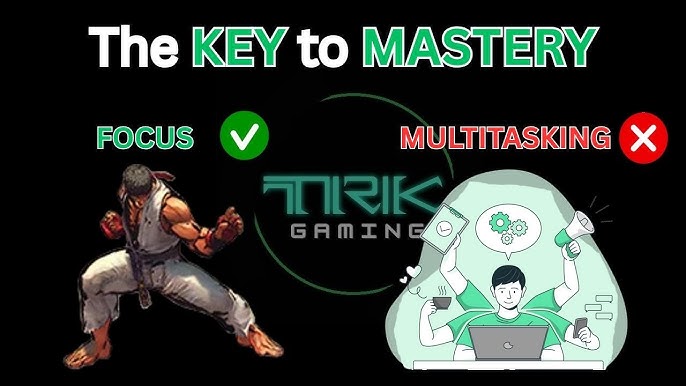
In today’s fast-paced professional world, multitasking is often celebrated as a sign of efficiency. However, research shows that spreading focus across multiple tasks can reduce productivity and limit skill development. On the other hand, skill mastery—dedicated focus on developing one skill at a time—can lead to deeper expertise, higher performance, and long-term career growth. This article explores the differences between multitasking and skill mastery and why mastery is often the better approach.
1. Understanding Multitasking
Multitasking involves:
- Performing multiple tasks simultaneously
- Switching attention quickly between activities
- Attempting to maximize efficiency and productivity
While it can help manage multiple responsibilities, multitasking often reduces focus and increases errors, especially when tasks require cognitive effort.
2. The Science Behind Multitasking
Cognitive research reveals:
- The human brain is not designed to handle multiple complex tasks simultaneously
- Task switching consumes mental energy and reduces efficiency
- Multitasking increases stress and decreases retention of information
Understanding these effects explains why multitasking can hinder deep skill acquisition.
3. Defining Skill Mastery
Skill mastery emphasizes focused, deliberate practice:
- Concentrating on one skill or task until it becomes highly proficient
- Engaging in repeated, intentional learning with feedback
- Gradually increasing complexity to deepen competence
Mastery leads to expertise, confidence, and higher-quality output.
4. Benefits of Skill Mastery
Focusing on mastery offers several advantages:
- Higher proficiency: Deep focus allows better understanding and application
- Efficiency: Expertise reduces time spent completing tasks in the long run
- Career advancement: Mastery creates unique value, making professionals indispensable
- Confidence: Expertise builds self-assurance and credibility
Skill mastery pays off more in the long term than juggling multiple tasks superficially.
5. When Multitasking Can Work
While mastery is ideal, multitasking has situational benefits:
- Handling repetitive or low-cognitive tasks simultaneously
- Monitoring multiple simple processes or administrative tasks
- Combining compatible activities like listening to a podcast while exercising
Effective multitasking is possible only when tasks do not require deep focus.
6. The Trade-Off Between Breadth and Depth
Professionals often face the choice between:
- Breadth: Exposure to multiple skills and experiences
- Depth: Focused mastery of one skill
While breadth can increase adaptability, depth creates expertise and high-value capabilities that differentiate you in competitive environments.
7. Applying the 80/20 Principle
To balance efficiency and mastery:
- Identify high-impact skills that deliver the most value
- Focus primarily on mastering these skills
- Use multitasking selectively for tasks that do not detract from deep focus
This approach maximizes career impact without diluting attention.
8. Building Deep Work Habits
Skill mastery thrives in environments that support deep work:
- Minimize distractions (turn off notifications, close unrelated tabs)
- Allocate dedicated time blocks for focused practice
- Use techniques like Pomodoro for sustained attention
Deep work accelerates skill acquisition and improves quality of output.
9. Measuring Mastery Progress
Track skill development for motivation and accountability:
- Set measurable milestones (e.g., complete a project, pass a certification)
- Record improvements over time to visualize progress
- Seek feedback and mentorship to refine abilities
Regular measurement ensures consistent advancement toward mastery.
10. Mindset Shift: From Doing More to Doing Better
The key difference between multitasking and mastery is focus and intention:
- Prioritize quality over quantity
- Accept that concentrated effort on one skill leads to exponential improvement
- Understand that multitasking may save time short-term but hinders long-term growth
Mastery requires patience, dedication, and deliberate effort—but the payoff is significant.
Conclusion
While multitasking may seem efficient, research and experience show that skill mastery delivers deeper expertise, higher productivity, and long-term career success. Professionals should focus on mastering high-value skills, engage in deliberate practice, and create environments that support deep work.Remember: Doing more at once may give the illusion of productivity, but focused mastery creates real impact and career differentiation. Invest in depth, and the results will compound over time.
