
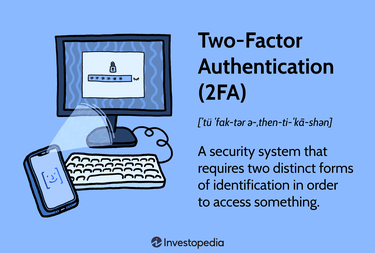
Protecting an online account requires more than creating a strong password. Cybercriminals may obtain login credentials through phishing messages, reused passwords, or compromised devices. For users accessing Fairplay, understanding two-factor authentication (2FA) can help reduce the risk of unauthorized access. This security method requires an additional verification step alongside a password. However, the availability of 2FA depends on the platform’s current security features. This article explains how two-factor authentication works, how to enable it when supported, and what to do if verification problems occur.
What Is Two-Factor Authentication?
Two-factor authentication is a security process requiring two different types of evidence to verify a user’s identity.
The first factor is usually something you know, such as a password. The second may be something you possess, such as an authenticator application, security key, or registered mobile device.
Using two independent factors provides stronger protection than relying on a password alone.
Why Is Fairplay Account Security Important?
Online accounts can contain personal details, contact information, and records of account activity.
If someone obtains your password, they may attempt to access your account without permission. Additional authentication can make this more difficult because the attacker would also need the second verification factor.
Users should check whether Fairplay currently supports authenticator applications, security keys, SMS verification, or another approved method.
How to Enable Two-Factor Authentication Step-by-Step
Step 1: Open the Verified Website
Begin by opening the authentic website through a trusted browser.
Check the domain spelling carefully before entering your login credentials. Avoid links received through unexpected messages or unofficial social media accounts.
Step 2: Sign In to Your Account
Enter your registered username or account ID and password through the verified login page.
If the platform requests additional authentication during sign-in, complete the instructions displayed on the screen.
Never disclose your password or verification code to another person.
Step 3: Locate Account Security Settings
After signing in, look for sections labelled Account Settings, Security, Privacy, or Authentication.
If two-factor authentication is supported, the relevant option may appear within these settings.
Menu names vary between platforms, so consult published help instructions when necessary.
Step 4: Select an Available Verification Method
Depending on the service, users may be able to choose an authenticator application, SMS verification, or another supported method.
Authenticator applications generally generate time-sensitive codes and are less vulnerable to certain phone-number attacks than SMS authentication.
Choose the strongest available method that you can manage reliably.
Step 5: Complete the Setup Process
Follow the platform’s instructions to connect your selected verification method.
An authenticator setup may involve scanning a QR code or entering a setup key into a compatible application.
Keep setup keys private because anyone possessing them may be able to generate valid authentication codes.
Step 6: Confirm That 2FA Is Enabled
Enter the requested verification code to complete activation.
If the platform provides recovery codes, store them securely in a location separate from your password.
Review the security settings to confirm that additional authentication is active.
How Does 2FA Work During Login?
After entering your password, the platform may request a second verification factor.
For example, an authenticator application can generate a temporary code that must be entered before access is granted.
Some services also support trusted-device settings, although their behavior depends on the provider.
Never approve an unexpected authentication request.
Common Two-Factor Authentication Problems
Verification Code Not Working
Authenticator codes may fail when a device’s clock is incorrect or a code has expired.
Enable automatic time synchronization and enter a newly generated code.
Lost Access to Your Authenticator
If you lose your phone, use previously saved recovery codes or the platform’s verified account recovery procedure.
Avoid sharing personal documents with unknown individuals offering to bypass authentication.
Verification Messages Not Arriving
SMS messages can be delayed by network problems or service interruptions.
Check your mobile connection and follow the official instructions for requesting another code.
Additional Security Practices
Two-factor authentication works best alongside strong passwords, updated devices, and careful website verification.
Before accessing Official Fairplay, confirm which authentication features are genuinely supported and review the platform’s published security instructions.
Avoid reusing passwords and never share recovery codes or verification details.
Conclusion
Fairplay account security can benefit from two-factor authentication when the feature is available.
Understanding setup procedures, recovery options, and common verification problems helps users protect their credentials more effectively.
Although 2FA cannot eliminate every security threat, combining it with responsible account management significantly reduces several common unauthorized-access risks.
