
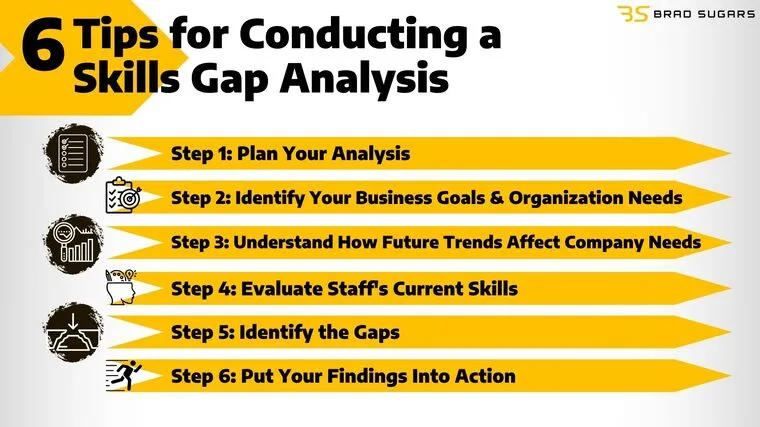
Career growth depends on continual learning and adaptation. One of the most important steps for professional development is identifying skill gaps—areas where your current knowledge, expertise, or capabilities fall short of the requirements for your goals. Recognizing these gaps allows you to focus your learning efforts strategically and accelerate career advancement. This article explores practical ways to identify skill gaps in your professional journey.
1. Define Your Career Goals
Start by clarifying your aspirations:
- Determine short-term and long-term objectives (e.g., promotion, leadership role, career switch)
- Identify the skills, certifications, and experiences required for these goals
- Consider both technical and soft skills
Clear career goals provide a benchmark for evaluating current capabilities.
2. Conduct a Self-Assessment
Reflect on your current skill set:
- List your technical skills, soft skills, and industry knowledge
- Evaluate your strengths and areas where you feel less confident
- Be honest about gaps in knowledge, application, or experience
Self-assessment provides a baseline for identifying specific areas to improve.
3. Seek Feedback from Supervisors and Peers
External perspectives reveal blind spots:
- Ask for constructive feedback from managers, mentors, or colleagues
- Request input on your performance, competencies, and opportunities for improvement
- Compare feedback with your self-assessment to identify consistent patterns
Feedback provides valuable insights that you may not see on your own.
4. Analyze Job Descriptions and Industry Trends
Benchmark your skills against industry standards:
- Review job postings for your desired role or next-level positions
- Identify frequently required skills and qualifications
- Compare these requirements with your current capabilities
This approach highlights gaps you need to close to remain competitive.
5. Track Performance Metrics
Objective data can reveal gaps:
- Examine your work performance metrics (e.g., project completion, sales targets, error rates)
- Identify areas where results are below expectations
- Focus on skills related to improving these metrics
Data-driven assessment helps prioritize learning efforts for maximum impact.
6. Use Skills Assessment Tools
Professional tools can provide structured evaluation:
- Online skills assessments, quizzes, or competency tests
- Platforms like LinkedIn Skill Assessments, Coursera, or Udemy offer tests to benchmark proficiency
- Compare results to industry standards or peer performance
These tools provide concrete evidence of strengths and weaknesses.
7. Reflect on Past Challenges
Past experiences can indicate gaps:
- Review projects or tasks where you struggled or required assistance
- Identify recurring difficulties or knowledge gaps
- Use these insights to focus on targeted skill development
Reflection ensures learning is aligned with practical needs.
8. Identify Transferable Skills and Missing Links
Some skills may already apply in multiple areas:
- Determine which existing skills can support growth in other roles
- Identify complementary skills needed to fill gaps
- Prioritize learning that enhances versatility and career flexibility
Focusing on transferable skills accelerates progress and prepares you for broader opportunities.
9. Plan Targeted Learning Initiatives
Once gaps are identified, take action:
- Select courses, workshops, or certifications relevant to missing skills
- Allocate time for deliberate practice and application
- Set measurable milestones to track improvement
Targeted learning ensures your efforts are efficient and aligned with career goals.
10. Review and Update Regularly
Skill gaps evolve over time:
- Periodically reassess skills against changing career objectives and industry demands
- Adjust learning strategies to address emerging gaps
- Treat skill assessment as a continuous process, not a one-time exercise
Regular review ensures ongoing relevance and career growth.
Conclusion
Identifying skill gaps is a critical step toward professional growth and career advancement. By defining goals, conducting self-assessments, seeking feedback, analyzing industry trends, tracking performance, using assessment tools, reflecting on challenges, leveraging transferable skills, planning targeted learning, and reviewing regularly, professionals can strategically close gaps and accelerate their journey toward mastery.
Remember: Skill gaps are not limitations—they are opportunities. Recognizing and addressing them proactively positions you for success, resilience, and long-term career achievement.
